
Remasters
Judged on upgrades: visuals, performance, and gameplay changes, plus included expansions. If a remaster mostly repackages, we say so in those terms.
28 Geary St, Suite 650, San Francisco, CA 94108
+1 415-523-3386 · [email protected]
Monday to Friday, 9:00 AM to 6:00 PM

How we cover PC releases
The claim stays put. The evidence keeps moving.
Readers rely on dates, features, and performance notes more than on adjectives. This page explains the editorial method behind A&E Kennels LLC coverage so you know what to expect from each guide. We cover PC releases, remasters, and live-service titles, and we try to keep each page tied to facts you can check.
Updated for the 2026 release calendar. When a date or version changes, the guide follows.

What you can check on every guide: the title, the genre, the date, the version, and what is still uncertain.
Starting point
Every guide starts with a question a player would actually ask. Is this remaster worth a return run? Does this live-service title suit keyboard and mouse? When does this game leave early access?
Starting with the question keeps the page focused. It also prevents a guide from becoming a list of press points with no use. If the question is vague, the coverage stays vague, so we narrow it early: who is this for, what machine are they on, and what decision are they trying to make before they install, wait, or buy.
That is why our pages name the genre and the PC situation up front. A fixed campaign game, a remaster, and a live-service title change on different schedules, and the question changes with them.
Dates and version numbers are the backbone of our coverage. When a date or version changes, we update the page. We also keep the older detail visible where it helps you judge the change, rather than quietly swapping a month and leaving you to wonder whether anything else moved with it.
For how we cover PC games, a date is not decoration. It is the fact you plan around, so it gets checked against the title and the version in question.

A remaster is judged on what changed: light, water, stone, and whether the return run feels different.
PC-specific, not generic
We note features that change the PC experience, such as input options, display settings, and loading behavior. We also note when a game plays the same across platforms, since that is honest information.
A PC-specific claim should point to something testable. If we cannot describe the test, we soften the claim or remove it.
Performance depends on hardware, drivers, and settings, so we write with limits in mind. A note about frame pacing on one desktop does not settle the question for a laptop. We describe what to test, such as a stable frame target and shader building on first run. That helps you judge your own machine rather than trusting a single result.
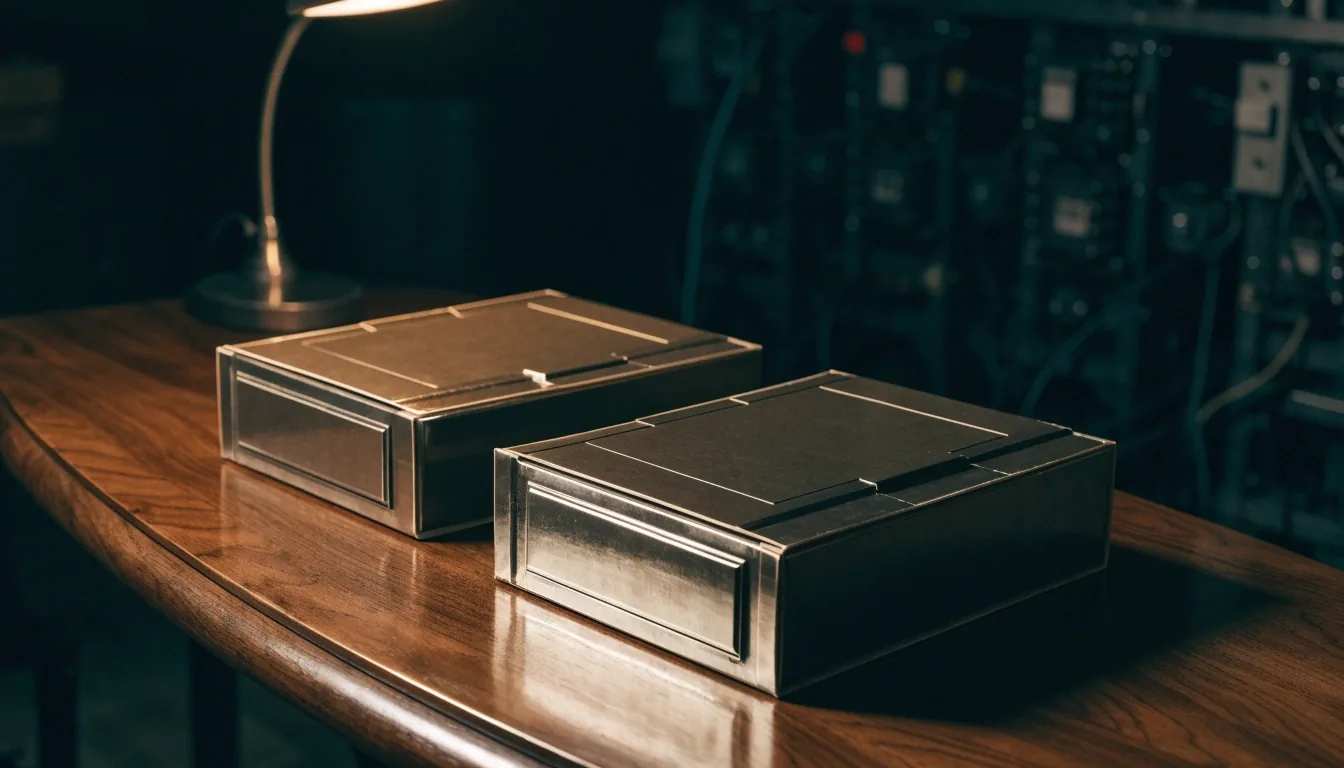
Judged on upgrades: visuals, performance, and gameplay changes, plus included expansions. If a remaster mostly repackages, we say so in those terms.
Judged on mode design, meta, and ongoing support. Fortnite and Deadlock need a different lens from a fixed campaign game because their systems change, and we revisit those pages as the titles evolve.
Words sit under the plates, never over them, so you can compare the two kinds of coverage at a glance.
Restraint is part of the method
If a fact is not in our notes, it does not go in the guide. That restraint keeps the site useful and keeps trust intact.
Corrections are part of the method. If a date moves or a feature changes, the guide should follow. Readers can send corrections through our contact page, and we check them against the title and version in question.
Small updates matter on a release calendar, since a wrong month can mislead a purchase decision. A correction that names the title helps us act faster than a general note.
We would rather add a useful detail than publish a broad claim.
A&E Kennels LLC
Contact A&E Kennels LLC with a correction, or browse the PC games guide to see the method in practice. For the company behind the coverage, the About page explains who we are.
28 Geary St, Suite 650, San Francisco, CA 94108 · [email protected] · Monday to Friday, 9:00 AM to 6:00 PM